Memories attributed to composers and the stories behind pieces, with their sources. Each story shows how reliable its source is; read each one on its own page and listen to the piece.
Sheet music archive
Classical Turkish music works in real staff notation with AEÜ accidentals. Read the score, hear it with kanun sound, adjust the tempo.
Century
Works
No matching works found.
The archive only holds classical and sacred works whose composer and lyricist died more than 70 years ago; folk songs (türkü) and recent composers are not included for copyright reasons.
The level is estimated automatically from the score: range, notes per second, tempo, short and dotted values, the length and asymmetry (aksak) of the usul, the variety of perdes and the length of the piece are scored together. It is a guide, not a substitute for a teacher's judgement.
The archive only includes works by composers whose copyright has expired.
The level is estimated automatically from the score (range, speed, rhythm, usul, variety of perdes, length).
%75%100%125
♪♩♪Loading score…
Beat sound
Learn this piece
Work through the piece step by step: listen, slow down, get to know its usul and makam, follow the score and play it on a virtual instrument.
About this workThe story of the piece
The story linked to this piece, as told in the sources. The reliability of the source is shown above it; the sources are listed at the end of the page.
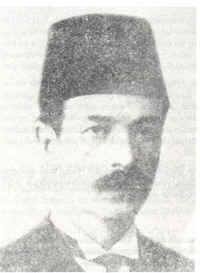
Scores of works by Tambouri Djemil Bey (1873–1916): 34 pieces in real notation with AEÜ accidentals, playable with kanun sound, plus recordings.
MakamNikrîz (4), Hicaz (3), Mahur (3), Muhayyer (3)FormŞarkı (13), Peşrev (8), Saz semai (7), Zeybek (2)UsulAksak Semai (8), Aksak (6), Muhammes (4), Sengin Semai (3)Visit their room in the Meşkhâne (3D)
In brief
Life
Born in Istanbul, he died in 1916. He was a masterly performer above all on the tanbur, but also on the kemençe, lavta and cello; his teachers included Tanbûrî Ali Efendi and Kemânî Aleksan Ağa. He revived the taksim tradition and gave a new direction to tanbur style. Besides peşrevs, saz semais and şarkıs, he wrote a theory book titled Rehber-i Mûsikî.[1]
Contributions to music theory
Memories
Memories attributed to him and told in the sources. The reliability of the source is shown above each one; the sources are listed at the end of the page.
The spider
As the story goes, a spider used to come down on a thin thread from the wooden ceiling of the room where Cemil Bey played the tanbur. Cemil Bey never touched it and left it alone. One day the spider did not come; after waiting a few days he climbed a ladder to look at the ceiling and found that the spider had died. He is said to have expressed his sorrow in a couplet[2, 3]:
Per açıp gitti cihândan eyledi ol mâhut Habl-i zerden lânesin terk eyledi hayf ankebut
ankebut: spider · habl-i zer: golden thread; a poetic allusion to the spider’s fine silk
The level is estimated automatically from the score: range, notes per second, tempo, short and dotted values, the length and asymmetry (aksak) of the usul, the variety of perdes and the length of the piece are scored together. It is a guide, not a substitute for a teacher's judgement.
Collections
Usuls without works in the archive
No works in these usuls are in the score archive yet; you can hear their düm-tek patterns in the usul metronome.