Spring after a harsh winter
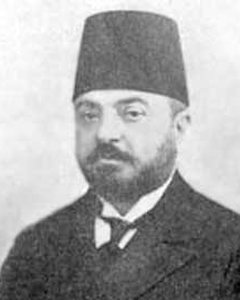
Years later, Refik Fersan recalls a very harsh winter he spent as a child at the Rıdvan Paşa mansion in Erenköy: the roads were blocked by snow, and even bread was hard to find. At the end of April a lovely spring arrives; Rahmi Bey wishes to keep the memory of that spring alive with this tâhir-bûselik song, whose lyrics he also wrote. That winter fell in the year 1323, which is 1907 or 1908 in today’s calendar. The notation of the song is not yet in our archive. Its first lines[2, 3]:
Geçti o gamlı eyyâm-ı sermâ
Oldu bahârın âsârı peydâ
eyyâm-ı sermâ: days of winter · âsâr: signs, traces · peydâ olmak: to appear
What do the sources say?
- In the documents: no newspaper report or archival record shows that the winter was exceptionally harsh in Istanbul or that bread ran short in Erenköy; the location of the Rıdvan Paşa mansion in Erenköy–Göztepe is, however, known.
- In the memoirs: the snow, the blocked roads, the shortage of bread, the spring at the end of April and Rahmi Bey's wish to preserve it in a song appear only in Refik Fersan's memoirs; Fersan lived through that winter aged 13–14 and wrote his memoirs about fifty years later. The TDV encyclopedia summarizes this account.
- Added later: some music histories link the song to the joy over the Second Constitution proclaimed in July 1908, on an unknown basis; the year "1907" is a later conversion of the "1323" given in the memoirs.
- Unknown: whether the winter was in 1907 or 1907–1908; the exact date of composition (Yılmaz Öztuna says 1908).