Read the score, hear the makam, play the saz
The sheet music archive, makam lessons, usuls (rhythmic cycles), composers and browser-playable instruments of Turkish makam music, all in one place. Free, no sign-up, in 16 languages.
- 1.079 works
- 201 composers
- 155 makams
- 37 instruments
What is Miras-ı Saz?
Miras-ı Saz is a free web platform for learning Turkish makam music and keeping it alive. It shows the scores of works whose copyright has expired with Arel-Ezgi-Uzdilek accidentals and plays them in 53-comma tuning; it teaches each makam's scale and its tonic (karar) and dominant (güçlü) pitches; it plays the düm-tek patterns of the usuls (rhythmic cycles) on the kudüm and other percussion; it introduces composers together with the eras they lived in; and it lets you play the kanun, oud, ney, tanbur and bağlama in your browser.
What would you like to do?
Pick your goal and we'll start you on the right pages.
Learn to read the notation
Start with commas and accidentals, then practise on easy pieces.
Train your ear
See where you stand with a two-minute test, then grow with interval and makam exercises.
Start an instrument
Get to know the pitches on a virtual instrument, tune up and practise with an usul.
Explore
Sheet music archive
Works whose copyright has expired, in real staff notation; listen with kanun sound, adjust the tempo and turn on usul accompaniment.
Virtual Instruments
Kanun, oud, bağlama, ney and ten more instruments: play them in your browser, tuned to the chosen makam with koma precision.
Learn
A step-by-step learning path, ear training and makam comparisons: listen, test your ear, confirm by playing.
Makams
Each makam's scale, tonic and dominant pitches and seyir; listen to the scale and play it on the kanun.
Tools
Metronome, usul tool, koma tuner, notation writer, makam finder, meşk tool: by your side while you practise.
Featured works
Among the works with the most-listened recordings; open the score, listen and play along.
Fikrimin İnce Gülü
Muallim İsmail Hakkı Bey (1866–1927)
AcemkürdîŞarkıYürük semai II1:52Sarâhaten Acaba Söylesem
Ali Rıfat Çağatay (1869–1935)
NihavendFanteziSofyan3:19Kimseye Etmem Şikâyet
Kemani Sarkis Efendi Suciyan (1885–1944)
NihavendŞarkıKapalı Curcuna3:29Senden Bilirim Yok Bana
Tanbûrî Ali Efendi (1836–1902)
HüseyniŞarkıYürük semai3:07Allah Ü Ekber
Buhûrîzâde Mustafa Itrî (1640–1711)
SegâhTekbîrDurak Evferi0:35Dök Zülfünü Meydana Gel
Tanbûrî Mustafa Çavuş (1700–1745)
HisarbûselikTavşancaRaks Aksağı2:20
Start learning
Step by step: first commas, pitches and intervals; then your first makams, usuls and more. In each lesson you read, listen, test your ear, and play to earn a score.
- 1FundamentalsThe 53-comma system, pitches, intervals and çeşnis: the building blocks of a makam.4 lessons
- 2First makamsThe five most-played makams: scale, tonic and dominant; recognize them by ear and confirm by playing.5 lessons
- 3UsulsDüm and tek: listen to four basic usuls, then keep them by tapping.4 lessons
- 4New makamsSix more makams, from Segâh to Mâhur.6 lessons
Play online: virtual kanun, oud and bağlama
Each instrument, with its own courses and mandals, is tuned to the pitches of the makam you choose.
Kanun
The plucked instrument of Turkish, Arabic and Persian music, with mandals and courses of three strings.
Oud
A string instrument with a deep, pear-shaped body and a fretless neck, played with a pick.
Bağlama (saz)
The best-known string instrument of Turkish folk music; it is played using the frets tied onto its long neck.
Ney
A wind instrument made of reed, with six holes in front and one at the back; it is the voice of Sufi and classical Turkish music.
Makams
The makams with the most works in the sheet music archive; you can listen to each one's scale and play it on the kanun.
Composers
Masters of makam music across the centuries; browse their works and eras.
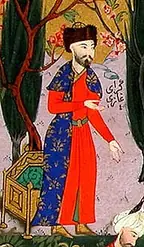 Ğazı II Giray1554–1607 · 10 works
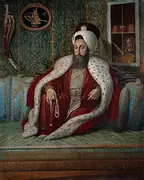 Selim III1761–1808 · 13 works
 Neyzenbaşı Kaymakam1810–1888 · 6 works
 Zekai Dede Efendi1825–1897 · 12 works
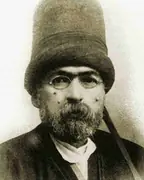 Hüseyin Fahreddin Dede1854–1911 · 6 works
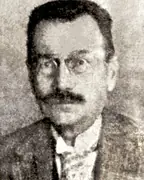 Ahmet Avni Konuk1868–1938 · 120 works
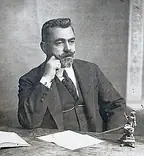 Ali Rıfat Çağatay1869–1935 · 7 works
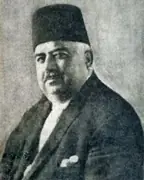 Bimen Şen1873–1943 · 17 works
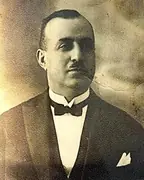 Mısırlı İbrahim Efendi1879–1948 · 11 works
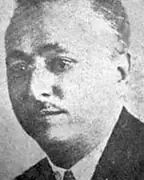 Nasibin Mehmet Yürü1882–1953 · 7 works
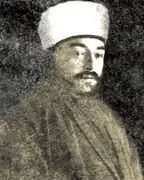 Hafız Kemal1882–1939 · 1 works
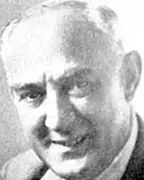 Artaki Terziyan1885–1948 · 5 works
 Hoca Ahmet Mükerrem Akıncı1885–1940 · 3 works
 Faize Ergin1894–1954 · 3 works
Why Miras-ı Saz?
Comma precision
Pitches follow the Arel-Ezgi-Uzdilek scale, which divides the octave into 53 commas; scores and instruments sound the makam's in-between notes at these theoretical values.
Real notation
The scores are not images but real notation redrawn with AEÜ accidentals; during playback the current note is highlighted.
Reliable sources
Scores are rewritten with AEÜ accidentals and play with comma precision; only works whose copyright has expired are published.
Open to everyone
Free, with no sign-up or installation; works on phone, tablet and computer in 16 languages.
Frequently asked questions
What is Miras-ı Saz?
Miras-ı Saz is a free web platform for learning Turkish makam music and keeping it alive. It brings together a sheet music archive, makam lessons, a timeline of composers (Eras), a kanun, oud, ney, tanbur and bağlama you can play in your browser, ear training and practice tools. No sign-up or installation is needed; the site is available in 16 languages.
What is a makam?
In Turkish music, a makam is a set of rules that determines which pitches a melody uses, on which pitch it comes to rest (karar, the tonic), which pitch it emphasizes (güçlü, the dominant) and how it moves (seyir). Hicaz, Rast, Uşşak and Nihavend are among the best-known makams. On Miras-ı Saz you can listen to the scales of 155 makams and play them on the kanun.
What is a comma?
A comma (koma) is the small unit of interval in Turkish music theory. In the Arel-Ezgi-Uzdilek system, pitches are shown on a scale that divides the octave into 53 equal parts (the Holder comma, about 22.6 cents); this scale closely approximates the theory's pitches, which are based on Pythagorean ratios. Intervals such as bakiye (4 commas), küçük mücenneb (5), büyük mücenneb (8) and tanini (9) are expressed on this scale. In actual performance, pitches can deviate from these values depending on the makam and its melodic progression; segâh, for example, is usually played somewhat lower than in theory. Miras-ı Saz scores and instruments play in this theoretical 53-comma tuning.
Where do the works in the sheet music archive come from?
The scores are compiled from works whose copyright has expired, meaning the composer and lyricist died more than 70 years ago; they are adapted from openly licensed academic collections and rewritten with AEÜ accidentals. Work, composer and recording information comes from MusicBrainz. During playback, the note you are on is highlighted; each work's source is given at the bottom of its page.
Which instruments can I play?
You can play the kanun, oud, ney, tanbur, bağlama, cümbüş, classical kemençe, violin, viola, cello, double bass, clarinet and accordion with real recordings, and the santur with synthesized sound, right in your browser; all are tuned automatically to the pitches of the makam you choose. Other instruments are introduced by family on the Virtual Instruments page, and for some, like the darbuka, bendir and tef, you can hear their sound on their page.
Do I need to sign up or pay?
No. Miras-ı Saz is free; no sign-up, app installation or personal information is required. It runs in the browser on phone, tablet and computer; if you like, you can add it to your home screen and use it like an app.